In December 2024, then-Cardinal Robert Francis Prevost, now Pope Leo XIV, made a significant pastoral visit to Kenya that foreshadowed his imminent leadership of the Catholic Church worldwide. His visit was marked by deep reflections on faith, unity, and the foundational role of Jesus Christ and the Papacy in the life of the Church.
An expected dramatic episode has put Migori county (Kenya) into a national spotlight this weekend after the Presidential rally was put to a standstill. This happened during president Ruto’s address to the public. It is reported that while the head of state was addressing important issues on the government’s approach to high cost of living, an identified goon from the crowd hurled a shoe directly at the face of the President which stirred commotion and unease.
The Vatican being the world’s smallest sovereign State, beyond physical boundaries, have the safety and wellbeing of 1.36 billion Roman Catholics to consider. The Supreme Pontiff aka The Pope is thus at the same time not only a religious leader, but also a person of political significance and value.
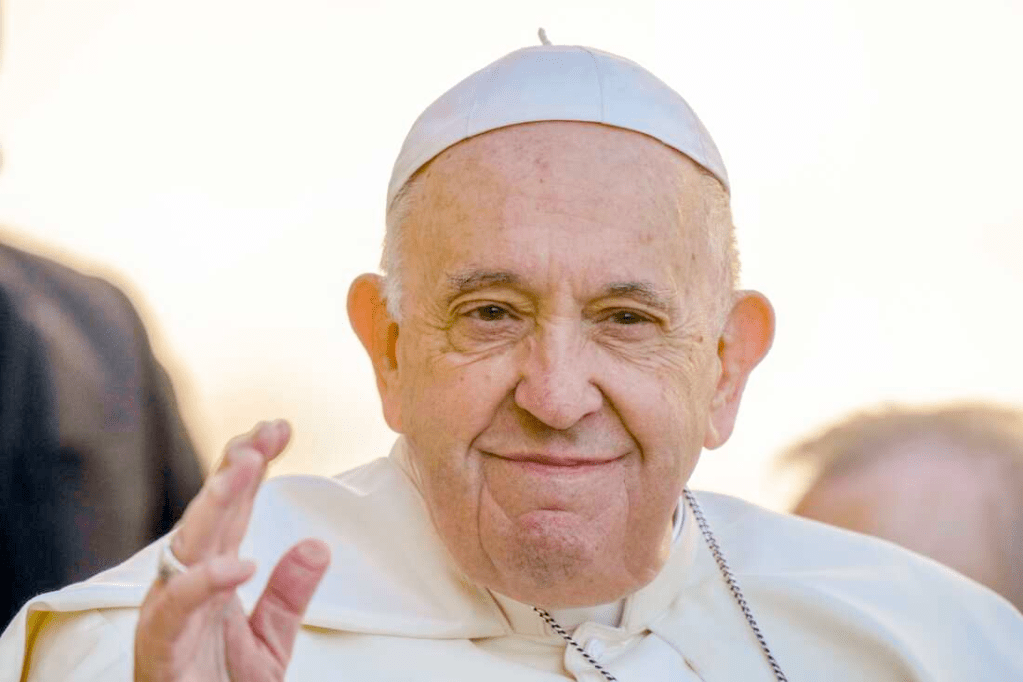
Pope Francis, the first Latin American pope, changed the face of papacy with simple warmth approach and pastoral accessibility. A simplified papal funeral made a fitting farewell for a pontiff who just three days after his surprise election expressed his desire for “a church that is poor and for the poor.” The way he chose to live as pope was itself his evangelisation. Opting for a very modest life, reaching out to the marginalised, standing for world peace to making himself available for selfies, he was a face and voice the Church in the world needed.
Artificial intelligence is no longer science fiction—it’s reshaping everything from the way we work to how we connect with each other. Amid this upheaval, the Catholic Church has sounded a clear warning: alongside AI’s promise, there lurks a “shadow of evil” that demands our collective attention. In January 2025, the Vatican’s landmark note, Antiqua et Nova: Note on the Relationship Between Artificial Intelligence and Human Intelligence, reiterated that while AI can be a powerful tool, it must never eclipse human dignity or moral responsibility. (vatican.va)
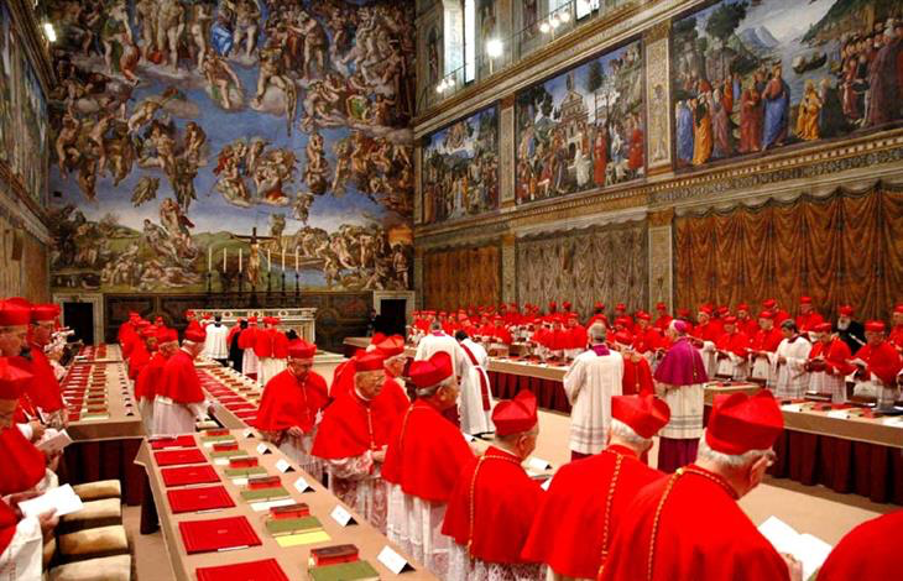
As the cardinals prepare to elect the new pope, they will be acutely aware of the myriad challenges currently confronting the Catholic Church. Among these is the need for unity amid rising internal divisions and external pressures. The legacy of Pope Francis has been one of outreach and reform, and the new pope will likely be tasked with continuing these efforts.
The sixth anniversary of the Easter Sunday terrorist attacks in Sri Lanka, which occurred on April 21, 2019, was commemorated nationwide on April 21, 2025. Despite the passage of six years, justice remains elusive for the victims, and those responsible for the attacks have yet to be held accountable.
Before his death, Pope Francis had left an indelible mark in the heart of millions across African not through grand political deals or sweeping economic reforms but through his unwavering commitment to peace, dignity and hope in some of the African countries wounded by war and insecurities.
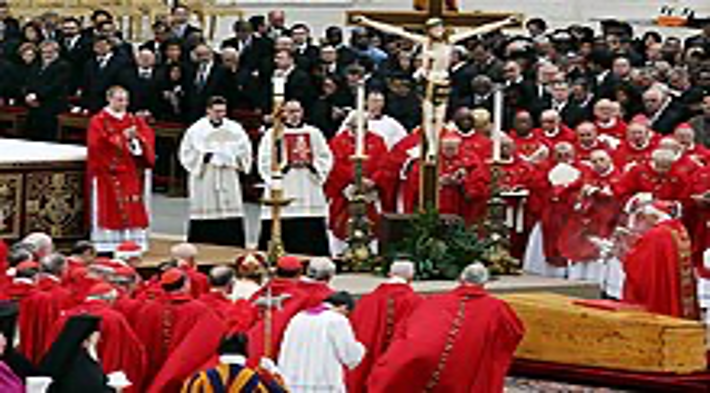
The world recently mourned and bide fare well to the Roman Pontiff, Pope Francis whose life was not only defined by grace but also by simplicity and humility. His funeral was attended by thousands of all walks of the world-heads of states, diplomats and vendors who stood along the road -to bide him farewell for his inclusive nature to all and profound simplicity and humility which spoke loud to the world.
The notion of forbidden fruit comes from the Bible, where Adam and Eve were told to eat from all trees of the Garden of Eden except from the tree of the Knowledge of Good and Evil, for it is dangerous and will lead to death. But when tempted by the devil, portraying it as good, delightful and desirable, they couldn’t resist. The “forbidden fruit effect” describes how something becomes more desirable when it’s restricted or unavailable. This could be attributed to all spheres of human life.
The concept of Limbo, often pictured as a quiet, intermediate state for souls who died without the chance for salvation, has long been part of popular Catholic imagination. Images of unbaptized infants existing in a state of natural happiness but deprived of heaven have been particularly persistent. Yet, a crucial question demands clarity: did Limbo ever actually hold the status of a formal, defined doctrine within the Catholic Church?







 Acta Diurna