Douglas Milton Logu Soosaithasan
The Tamil Chaplaincies have played a pivotal role in preserving the religious and cultural identity of the Sri Lankan Tamil Catholic diaspora. Emerging as a response to the challenges faced by Tamil Catholics who fled Sri Lanka during the ethnic conflict in the mid-1980s, these chaplaincies have grown into well-organized bodies across Europe, providing pastoral care and fostering community among Tamil Catholics far from home.
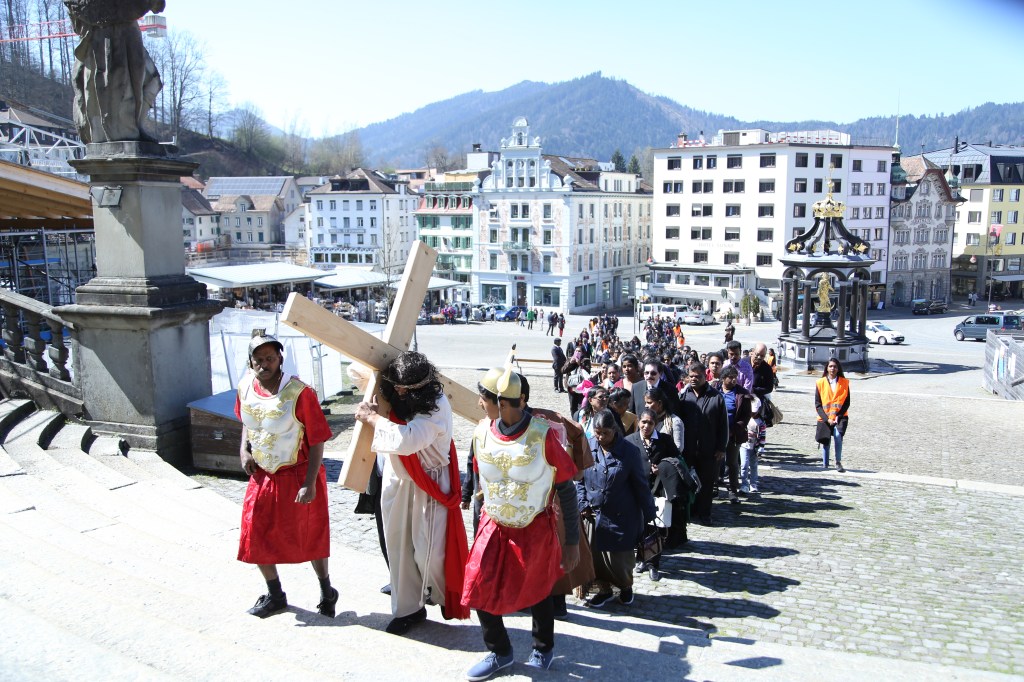
The mid-1980s saw a significant exodus of Tamils from Sri Lanka, fleeing the ethnic war and seeking financial stability. Today, approximately one million Sri Lankan Tamils reside outside their homeland, mainly in Europe, North America, and Australia. Although the inflow of Tamil migrants has declined significantly in the 21st century, family reunions and marriages continue to bring new arrivals to these regions.
Initially, Tamil Catholic men—many of whom arrived as singles—organized periodic Tamil masses and religious gatherings with the support of Tamil priests in Europe. These gatherings provided much-needed solace and community for migrants living far from their homeland. As families began to settle in the 1990s, the demand for organized Tamil pastoral care grew, leading to formal steps by Sri Lankan Church authorities. Tamil Chaplaincies were subsequently established in countries like Norway, England, Germany, France, Italy, Switzerland, Denmark, and the Netherlands.
The success of Tamil Chaplaincies is partly due to the openness and support of the European Church. Local parishes welcomed Tamil Catholics with extraordinary hospitality, integrating them into their communities and creating a vibrant expression of Catholic universality and brotherhood.
Recognizing the cultural differences between Sri Lanka and Europe, Tamil chaplains adapt their approach to meet the unique needs of their diaspora. Their primary focus remains the celebration of sacraments in Tamil, preparation for sacraments, and maintaining proper documentation. Annual feasts, liturgical solemnities, pilgrimages, Eucharistic adorations, retreats, and family visits are key aspects of their mission. Additionally, cultural gatherings like Oli Vizha (Christmas cultural gatherings) and Christian dramatizations like the Passion Play are organized to preserve Tamil traditions.
Tamil Chaplaincies often serve as a voice for the Tamil diaspora’s political aspirations, advocating for a dignified life and political solutions for their compatriots in Sri Lanka. In some regions, chaplains actively participate in political activities, showing solidarity with their community’s cause.
Chaplains leverage modern communication tools, including social and digital media to amplify their mission. This ensures broader engagement and effective outreach among the Tamil diaspora.
The establishment of Tamil Chaplaincies has been a meaningful initiative by Sri Lankan Church authorities, ensuring the uninterrupted practice of Catholic faith among Tamil Catholics despite their mobility across borders. Beyond religious services, these chaplaincies offer a sense of belonging, community and identity to a population that initially felt out of place in foreign lands.
The Tamil diaspora’s enthusiasm and active participation have revitalized many parishes in Europe. The local Church has been appreciative of their contributions, particularly in preparing and documenting sacraments, which has strengthened the vibrancy of parish life in several regions.
The Tamil Chaplaincies have grown into a profound and indispensable force within the Sri Lankan Tamil Catholic diaspora. They have not only preserved the spiritual and cultural identity of the Tamil Catholics in foreign lands but have also strengthened their sense of belonging amidst a different cultural environment. Through their tailored pastoral care, active social engagements, and collaborative spirit with local churches, the chaplaincies have ensured that Tamil Catholics continue to remain rooted in their faith while thriving in a multicultural world. Their contribution highlights the universal nature of the Catholic Church and the enduring strength of community, faith, and culture beyond borders.
 Acta Diurna