Dominic Njuguna
As the cardinals prepare to elect the new pope, they will be acutely aware of the myriad challenges currently confronting the Catholic Church. Among these is the need for unity amid rising internal divisions and external pressures. The legacy of Pope Francis has been one of outreach and reform, and the new pope will likely be tasked with continuing these efforts.
Composition of the Cardinal Electors
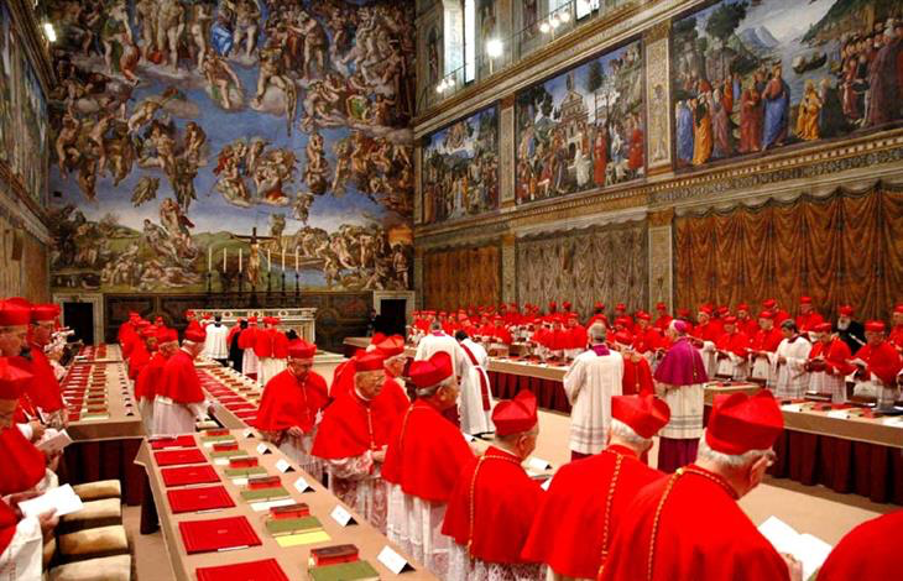
The College of Cardinals has undergone significant changes in its composition, particularly in light of the late Pope Francis. Currently, there are 135 cardinal electors eligible to vote in the upcoming conclave, a notable figure given the total of 252 cardinals at the time of Francis’ death. This conclave will reflect a more diverse and global representation, as approximately 80% of the elector cardinals were appointed by Pope Francis himself. The cardinal electors come from 70 different countries, underscoring a marked shift away from a predominantly European representation.
The current composition indicates that this will be the least European conclave in history. Pope Francis worked intentionally to ensure broader geographic representation in the College of Cardinals, appointing cardinals from regions often overlooked, including countries like Haiti, Laos, and Rwanda. As a result, the conclave is expected to bring varied perspectives that could significantly influence the selection of the new pope.
The elector cardinals not only represent a variety of regions but also embody diverse theological viewpoints and pastoral experiences. This mixture is essential, as the cardinals will need to address pressing issues faced by the Catholic Church. With the global Catholic community becoming increasingly diverse, the composition of the conclave is likely to reflect these shifts, impacting what will guide the conclave of the elector cardinals in their deliberations.
The diverse backgrounds of the elector cardinals will contribute to the dynamics of decision-making. This complexity may result in fewer unanimous decisions and a greater emphasis on coalition-building among the cardinals as they seek to establish a consensus on a candidate who can effectively lead the Church.
Major Challenges Facing the Catholic Church Today
The new pope will inherit a Church at a pivotal crossroads, one that has highlighted the importance of addressing issues like reforming governance structures within the Vatican, maintaining interfaith dialogue, and addressing humanitarian crises such as poverty and migration and also sexual abuse scandals with transparency and justice for survivors will also be essential areas of focus.
To align with the continued transformation of the Church, the elector cardinals must consider candidates who demonstrate strong administrative skills, a pastoral heart, and a commitment to engaging with the broader world. The urgency of this task is underscored by the Church’s need for a leader capable of echoing the compassionate vision of Pope Francis while implementing necessary reforms.
Furthermore, the next pontiff’s ability to reach out to an increasingly disconnected and secular world will play a key role in revitalizing the Church’s influence and relevance. Pope Francis emphasized the need for mercy and compassion; thus, his successor will be expected to foster a Church that actively engages with societal challenges while embodying the spirit of unity and inclusiveness.
In consideration of all these factors, the task of electing the new Pope is a process guided by the Holy Spirit. While Cardinals use their intellect, experience and knowledge of the candidates, they are called to be docile to the Holy Spirit’s promptings, setting aside personal preferences or political considerations.
Photo courtesy of thesistinechapel.org
 Acta Diurna